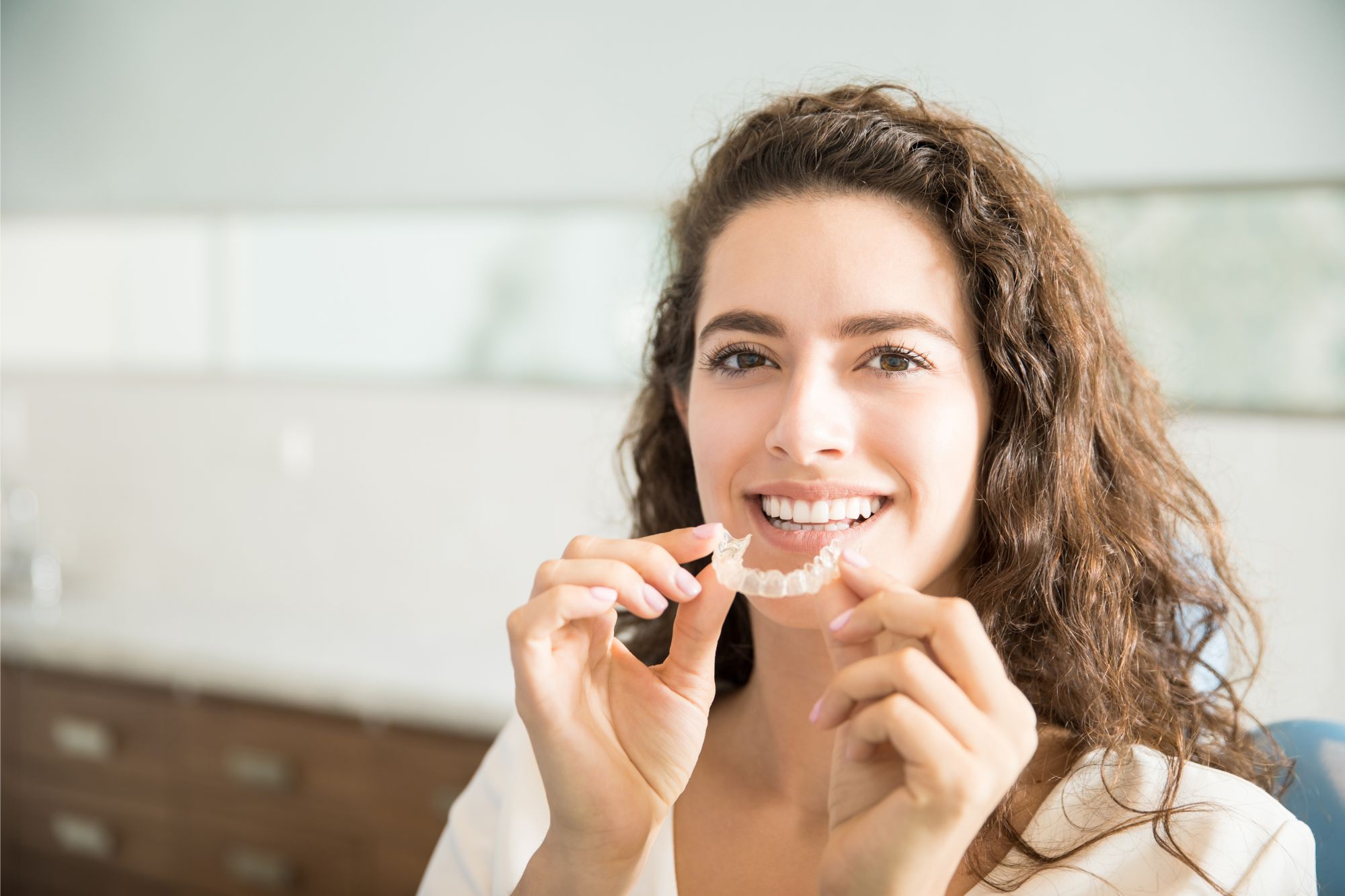
Crowded teeth are one of the most common reasons people visit an orthodontist. Whether you’ve noticed overlapping front teeth in your smile or your child’s adult teeth are coming in twisted, dental crowding is something orthodontists treat every day. The good news? Modern orthodontics has made fixing crowded teeth easier, faster and more discreet than ever before.
Let’s walk through what causes crowding, why it matters for your long-term health and the options available to straighten your smile.
What Are Crowded Teeth?
Crowded teeth, also called dental crowding, are a type of malocclusion (bite misalignment) that happens when there isn’t enough room in your jaw for all your teeth to fit properly. As a result, teeth overlap, twist, rotate or push out of their natural position along the arch.
Orthodontists typically group crowding into three severity levels:
- Mild crowding: less than 3mm of space shortage
- Moderate crowding: 3 to 6mm of space shortage
- Severe crowding: more than 6mm of space shortage
Crowding affects both children and adults, and it often gets worse over time if left untreated. Unlike gaps between teeth (called spacing or diastema), which happen when teeth are too small or the jaw is too large, crowding is the opposite issue: too many teeth trying to fit into too little space. It’s also different from bite issues like overbites, underbites and crossbites, which describe how the upper and lower arches meet rather than how individual teeth are positioned within a single arch. Crowding can exist on its own or alongside these other conditions, which is why an orthodontic evaluation looks at the whole mouth.
What Causes Crowded Teeth?
Crowding isn’t caused by one single thing. In most cases, it’s a mix of genetics, habits and how your mouth develops during childhood. Here are the most common causes orthodontists see in patients:
- Genetics and inherited traits. If your parents had crowded teeth, there’s a strong chance you will too. Jaw size and tooth size are both inherited, and when a small jaw meets larger teeth, crowding is often the result.
- A small jaw or narrow palate. Some people simply have jaws that can’t accommodate all 28 to 32 adult teeth. This is one of the most frequent underlying causes.
- Larger-than-average teeth. Even a normal-sized jaw can become overcrowded if the teeth themselves are bigger than average.
- Early or late loss of baby teeth. Baby teeth act as space holders for the adult teeth coming in behind them. When they’re lost too soon (or hang on too long), the eruption pattern gets disrupted and permanent teeth may drift or come in crooked.
- Childhood oral habits. Thumb sucking, prolonged pacifier use and tongue thrusting can all push developing teeth out of position and change how the jaw grows.
- Wisdom teeth. Many people notice new crowding in their late teens or early twenties, right around the time third molars start coming in. Research is mixed on how much wisdom teeth actually push other teeth forward, but it’s one reason orthodontists keep an eye on them.
- Mouth breathing and poor tongue posture. Chronic mouth breathing (often related to airway issues) can affect facial and jaw development, leading to a narrower arch and less room for teeth.
Airway health deserves special attention during evaluations, since breathing patterns and tongue posture play a bigger role in crowding than most people realize.
Why Fixing Crowded Teeth Matters
Crowded teeth aren’t just a cosmetic concern. Left untreated, crowding can lead to real health concerns down the road. Straightening your smile is worth it for several reasons.
Why Does Straightening Improve Oral Hygiene?
When teeth overlap, food and plaque get trapped in spots your toothbrush can’t reach. Straightening your teeth makes daily brushing and flossing far more effective, which lowers your risk of cavities and gum disease. Cleaner teeth also mean fresher breath and healthier gum tissue over the long run.
How Does Crowding Affect Your Bite and Jaw?
Crowding often throws off how your upper and lower teeth meet. This can cause jaw strain, headaches and TMJ discomfort over time. Fixing the alignment helps distribute your bite evenly, so no single tooth or joint absorbs more force than it should.
Can Crowded Teeth Damage Enamel Over Time?
Yes. When teeth are misaligned, some absorb far more chewing pressure than others. That uneven wear can chip enamel, flatten biting surfaces and even loosen teeth as you age. Correcting alignment protects the structure of your teeth for the long term.
What Other Benefits Come with Straightening?
Beyond hygiene and bite health, other improvements include:
- Better confidence. A smile you love changes how you feel in social settings, at work and in photos. Many patients report smiling more freely after treatment ends.
- Fewer dental problems later. Correcting crowding now can help head off restorative work down the road, like crowns, root canals or periodontal treatment tied to years of gum inflammation.
- Improved speech and chewing. Some crowding patterns interfere with clear speech or make it hard to chew certain foods. Straightening your teeth restores natural function.
A new smile can change your life, and the health benefits are just as meaningful as the aesthetic ones.
How Orthodontists Fix Crowded Teeth: Treatment Options Compared
There isn’t a single “best” way to fix crowded teeth. The right option depends on how severe the crowding is, your age, your lifestyle and your goals. Trained orthodontists typically offer several proven approaches:
- Clear aligners (such as Invisalign). Removable, nearly invisible trays that gradually shift teeth into place. Best for mild to moderate crowding in teens and adults who want a discreet option. Learn more about clear aligners.
- Traditional metal braces. The most versatile treatment available. Metal braces can handle even severe crowding and complex tooth movements that aligners can’t always manage.
- Clear braces. Fixed brackets made from tooth-colored ceramic. A good middle-ground option for patients who want something less noticeable than metal but need the strength of braces.
- Palatal expanders. Used in growing children to gently widen a narrow upper jaw, creating room for adult teeth before crowding gets severe.
- Tooth extraction or IPR (interproximal reduction). In tight cases, an orthodontist may recommend removing one or more teeth or lightly reshaping the sides of certain teeth to create the space needed for proper alignment.
Here’s how the main options compare:
| Treatment | Severity Range | Typical Duration | Visibility | Best For |
|---|---|---|---|---|
| Clear Aligners | Mild to moderate | 9 to 24 months | Nearly invisible | Teens and adults |
| Metal Braces | Mild to severe | 12 to 24 months | Visible | All ages, complex cases |
| Clear Braces | Mild to severe | 12 to 24 months | Subtle | Teens and adults wanting fixed treatment |
| Palatal Expander | Skeletal (jaw) crowding | 6 to 12 months | Hidden inside mouth | Growing children |
| Extraction + Braces/Aligners | Severe | 18 to 30 months | Varies | Severe crowding, adults |
A trained orthodontist can walk you through which option fits your case, typically using digital scans to show you exactly what’s happening in your mouth.
Who Is a Candidate for Crowded Teeth Treatment?
The short answer: almost anyone with crowding is a candidate. Orthodontic treatment works at nearly every stage of life, and the right approach depends on your age and the complexity of your case. Here’s a general guide:
- Children ages 7 and up. The American Association of Orthodontists recommends every child have their first orthodontic evaluation by age 7. Early treatment can guide jaw growth and prevent more serious crowding later.
- Teens. This is the classic age for orthodontic care. Teens do well with traditional braces, clear braces or clear aligners for teens.
- Adults. It’s never too late to fix crowded teeth. Adults of any age can achieve beautiful results, and clear aligners make treatment discreet enough for professional settings.
- Severe crowding cases. These may require extractions, expanders or a combined treatment approach designed around the specific case.
- Good oral health. Patients need healthy teeth and gums before starting orthodontic treatment. Any active decay or gum issues are addressed first.
- Commitment to the process. Wearing aligners consistently or keeping up with braces care is essential for great results.
A thorough evaluation typically includes digital scans and a personalized review to figure out the best path forward for your smile.
Frequently Asked Questions About Crowded Teeth
How do orthodontists fix overcrowding?
Orthodontists fix overcrowding using several methods depending on severity. Mild to moderate cases are often treated with clear aligners or braces that gradually move teeth into better alignment. Severe crowding may require tooth extraction, interproximal reduction (light shaving between teeth) or a palatal expander to widen the jaw before straightening begins.
What is the best age to fix crowded teeth?
Every child should have an orthodontic evaluation by age 7, but most active treatment happens between ages 10 and 14, when the mouth is still developing and teeth respond quickly to movement. That said, adults can absolutely fix crowded teeth too. Modern treatments work well at any age, and there’s no upper age limit for a straighter, healthier smile.
Can you naturally fix crowded teeth at home?
No. Crowded teeth cannot be corrected naturally or with at-home tricks. Teeth need controlled, gradual pressure applied over time by trained professionals to move safely without damaging roots or bone. Trying to shift teeth with DIY methods or aligners you get in the mail can cause permanent harm. Working with a trained orthodontist is the safest way to fix crowding.
How long does it take to fix overcrowded teeth?
Most treatment plans take between 12 and 24 months, though mild cases can wrap up faster and severe crowding may take longer. The exact timeline depends on how much movement is needed, which treatment you choose and how consistently you follow your orthodontist’s instructions (especially with removable aligners).
Do crowded teeth get worse with age?
Yes, crowding often worsens over time if left untreated. Teeth naturally drift forward as you age, a process called mesial drift, which can make existing crowding more pronounced. Gum recession and normal wear can add to the shift too. Treating crowding early prevents years of gradual worsening.
Will I need a retainer after treatment?
Yes. Retainers are a non-negotiable part of keeping your results. After your teeth are moved into their new positions, the surrounding bone and ligaments need time to stabilize, and teeth naturally want to shift back. Wearing your retainer as instructed is what keeps your smile straight for life.
Want to find out what’s behind your crowding and the best way to fix it? Schedule a free consultation at our Pasadena office and we’ll walk you through your options.