Most kids and teens get braces between ages 9 and 14, with the peak treatment window landing around ages 12 to 13. The right time depends on jaw growth, how their permanent teeth come in, and the type of bite issue involved. The American Association of Orthodontists recommends a first orthodontic evaluation by age 7, which is different from getting braces that early.
Some kids benefit from early Phase 1 treatment around ages 8 to 10 to guide jaw development. Others do best waiting until most adult teeth have arrived. A trained orthodontist assesses each child individually, because timing is personal. A free consultation gives you a clear answer about what your child needs and when.

What Age Do Kids Get Braces? A Year-by-Year Look (Ages 7-14+)
Most kids get braces between ages 9 and 14, with ages 12 to 13 being the most common. The exact timing depends on when permanent teeth erupt and how the jaw grows, not on a specific birthday. An evaluation by age 7 helps pinpoint the ideal start date for each child.
Braces timing follows dental development, not the calendar. At Pasadena Orthodontics, an orthodontist reviews these developmental milestones to match your child’s teeth to the right treatment window. Here’s how each age typically fits into the bigger picture of orthodontic care.
What Happens at Age 7?
By age 7, enough permanent teeth have come in for an orthodontist to spot developing bite issues like crossbites, crowding, or jaw imbalance. Braces are rare at this age. The goal is early diagnosis, not early treatment.
What Happens at Ages 8-9?
Your child now has a mix of baby and adult teeth. This is when Phase 1 treatment decisions may begin for a small group of kids with specific issues, like severe crossbites or narrow palates.
Why Is Age 10 the Pre-Braces Sweet Spot?
Adult teeth are arriving quickly. Many kids start Phase 1 treatment here, or move into full braces if they’re developmentally ready. Growth is still active, which makes correction easier.
What Changes at Age 11?
Most permanent teeth are in place. Treatment planning becomes much more precise, and full braces or clear aligners may start around this age.
Why Are Ages 12-13 the Peak Braces Years?
This is the most common age range for full orthodontic treatment. Growth is still happening, teeth respond well, and scheduling around school often makes this the ideal window.
Can Teens Start at Age 14 or Later?
Teens who start at 14, 15, or later still get excellent results. Treatment might take slightly longer in some cases, but the outcome is just as beautiful.
Quick-Reference Timing Table
Benefits of Starting Braces at the Right Age
Timing matters. When your child starts at the ideal age for their case, treatment tends to be more predictable and often shorter.
- Guides jaw growth naturally. Active growth years let an orthodontist shape how the upper and lower jaws align, which can prevent surgery later.
- Prevents bigger issues down the road. Correcting crowding or a bad bite early may stop issues like uneven wear, chipped teeth, or gum trouble from developing.
- Improves chewing, speech, and hygiene. Straight teeth are easier to clean, and a balanced bite makes everyday eating and speaking more comfortable.
- Builds confidence during formative years. Middle school and high school are big years for self-image. A great smile helps your child smile with confidence at exactly the right time.
- May shorten total time in braces. Right-timed treatment often means fewer months in appliances and fewer follow-up visits.
Everyone deserves a smile they love, and starting at the right moment gives your child straighter teeth, a healthier bite, and a result that holds up for years.
Braces vs. Clear Aligners for Kids and Teens
Both options straighten teeth beautifully, but each fits a different type of case and personality. Here’s how they compare for younger patients.
Are Traditional Metal Braces a Good Fit?
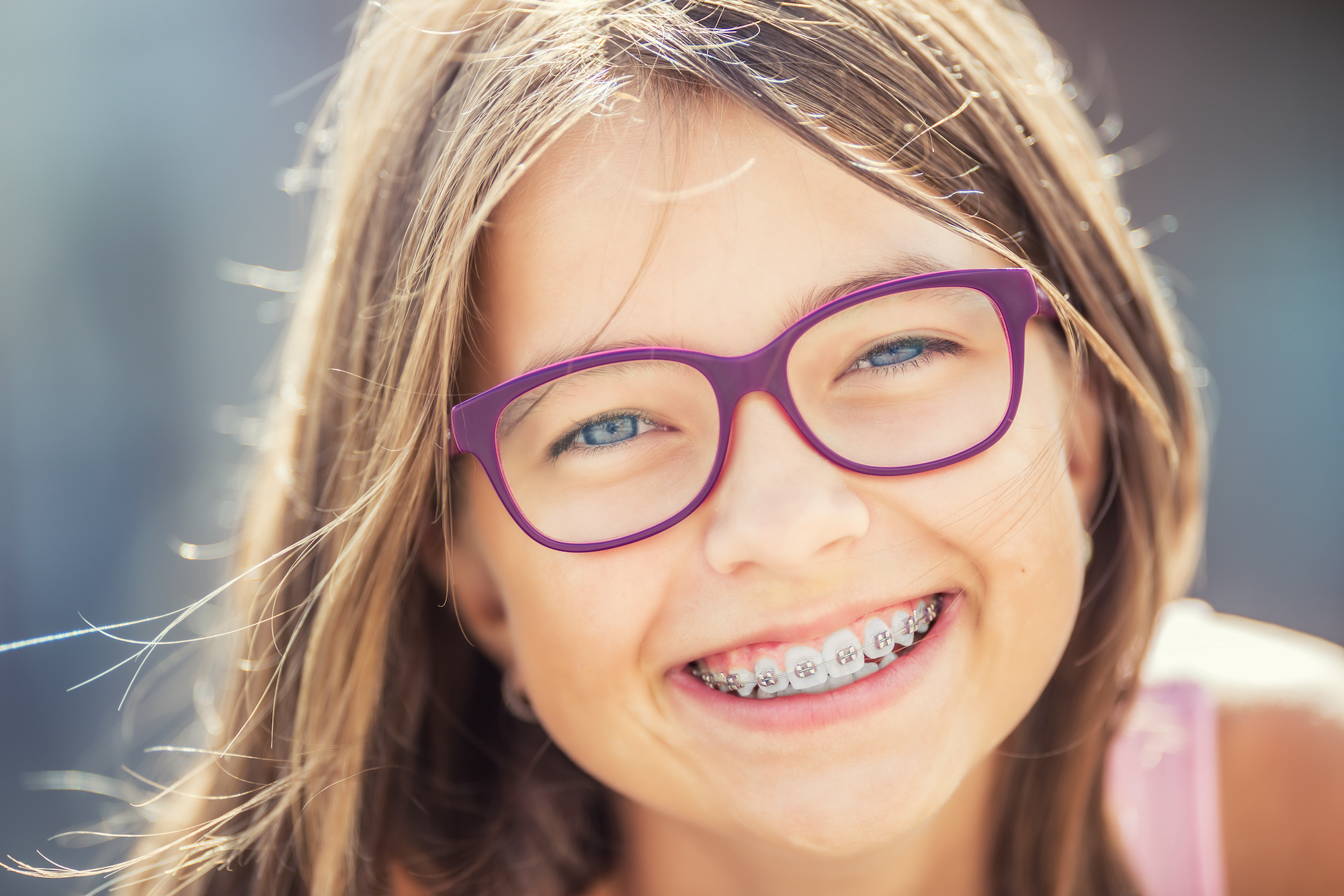
Metal braces handle every level of complexity, from simple crowding to advanced bite correction. They stay on the teeth 24/7, so results don’t depend on your child remembering to wear them. Modern metal braces are lighter and more comfortable than the versions parents may remember.
What About Clear Braces?
Clear braces work like metal braces but blend in with the natural color of teeth. They’re a popular pick for image-conscious teens who want a subtler look without giving up the reliability of fixed appliances.
Are Clear Aligners Right for Your Teen?
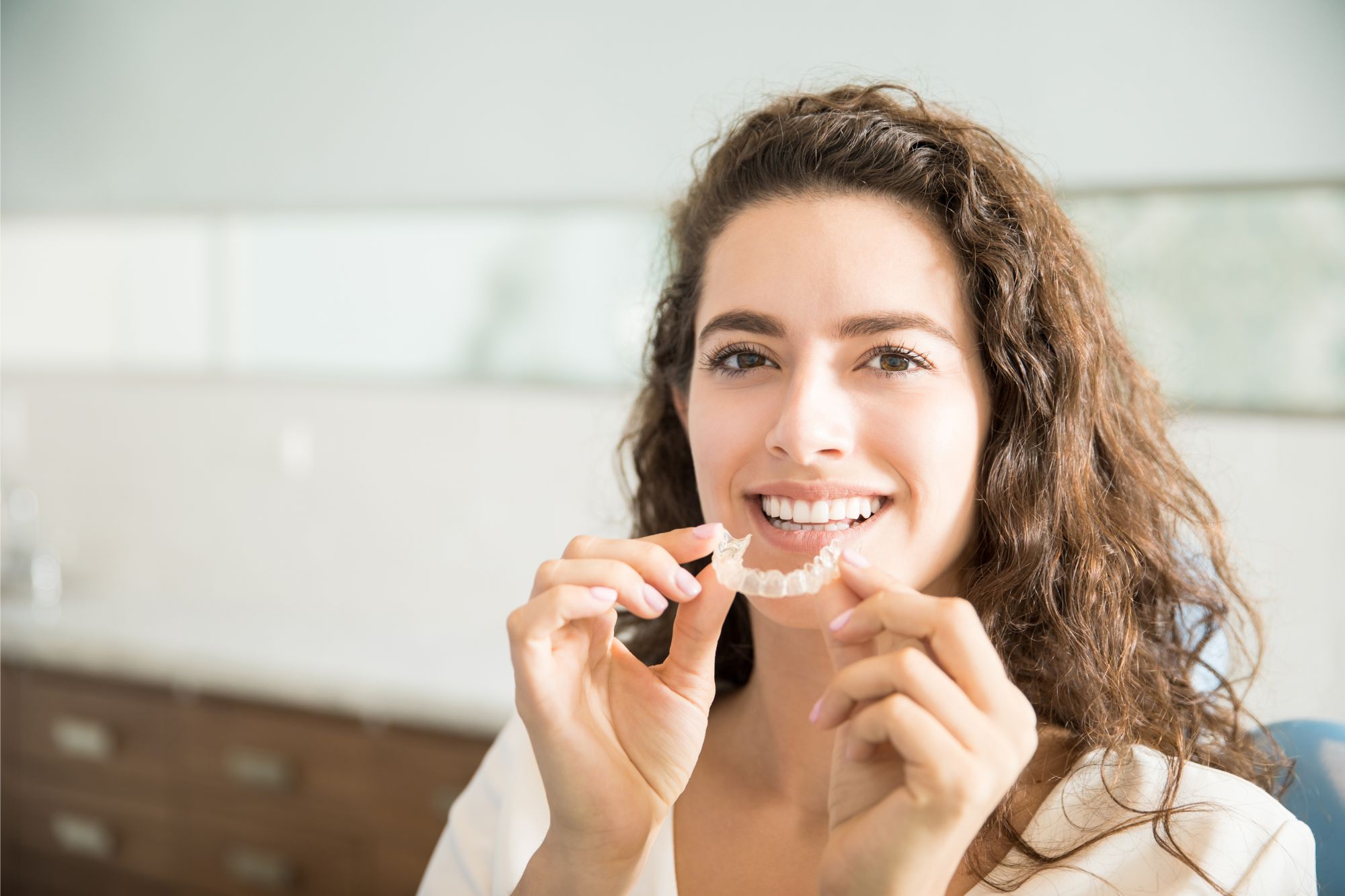
Clear aligners are removable, discreet, and increasingly popular for teens. They work well for many cases, but they require discipline. Your teen needs to wear them 20 to 22 hours a day and keep track of the trays.
Side-by-Side Comparison
A trained orthodontist will match the right option to your child’s bite, age, and lifestyle during your free consultation.
What Affects the Cost of Braces for Kids and Teens?
Braces cost for kids depends on treatment type, case complexity, and how long care takes. A mild alignment case sits at the lower end, while jaw correction or two-phase care raises the total. Insurance benefits and payment plans can also change what a family actually pays out of pocket.
Cost varies from family to family because every smile is different. A few key factors shape the final number.
- Treatment type. Metal braces, clear braces, and clear aligners each come with their own pricing.
- Case complexity. A mild alignment issue costs less than a case involving jaw correction, extractions, or bite work.
- Length of care. Longer treatment plans typically cost more than shorter ones.
- One phase vs. two phases. Two-phase treatment (early intervention plus full braces later) may add to the total investment, though it can prevent larger issues down the road.
- Insurance & payment plans. Many dental insurance plans include orthodontic benefits, and most orthodontic offices offer financing or monthly payment options to spread out the cost.
Talk openly with your orthodontist about the numbers before you start your treatment. A free consultation gives you a personalized estimate, with no pressure to commit, so you know exactly what to expect for your child.
Is Your Child a Candidate for Braces Yet?
Not every child is ready for braces at the same age. Watch for these signs that an orthodontic evaluation is a smart next step. Families in and around Pasadena often book a free consultation once they notice one or more of these.
- Crowded or overlapping teeth that make brushing and flossing tricky
- Noticeable gaps between teeth
- Overbite, underbite, or crossbite that affect how the teeth meet
- Early or late loss of baby teeth compared to typical development
- Mouth breathing, thumb sucking, or difficulty chewing. An orthodontist often reviews airway concerns during these evaluations.
- Jaw shifting or clicking when your child opens or closes their mouth
An evaluation by age 7 helps an orthodontist determine ideal timing. Sometimes the answer is “let’s monitor for now,” and sometimes it’s “Phase 1 would help.” Either way, you’ll leave with a clear plan and a full understanding of what comes next for your child’s smile.
Frequently Asked Questions About Braces and Age
What is the best age for braces?
The best age is typically between 9 and 14, with most kids starting between 12 and 13. The exact timing depends on how your child’s teeth and jaw are developing, which is why an evaluation by age 7 is so helpful.
Can a 7-year-old get braces?
It’s rare. Age 7 is the recommended time for a first orthodontic evaluation, not a first set of braces. An orthodontist uses this visit to spot developing issues and plan the best time to start treatment, if any is needed.
Is my teen too old for braces at 14 or older?
Not at all. Traditional braces and clear aligners work well for older teens (and adults, too). Healthy teeth can be moved at any age, and treatment at 14, 15, or 16 still produces beautiful, lasting results.
How long do braces take for kids?
Most kids wear traditional braces for 12 to 24 months, depending on the complexity of the case. Milder issues may finish faster, while cases involving bite correction or jaw growth guidance can take longer.
Do all kids need two phases of braces?
No. Most kids only need one phase of treatment during their preteen or teen years. Two-phase treatment is reserved for specific cases where early intervention prevents bigger issues later. When you’re ready to plan the smile of your dreams for your child, remember that a new smile can change your life, and finding the right moment to start is easier than you think. A trained orthodontist at Pasadena Orthodontics can walk your family through every option and map out the blueprint for your new smile with straighter teeth and a healthier bite as the goal.