Wondering how long teens wear braces, and what makes it faster or slower? Most teens finish treatment in about 18 to 24 months, though timelines shift based on case complexity, compliance, and growth. At Pasadena Orthodontics, Dr. Rozheh Babaan, DDS, MSD, builds a plan around your teen’s specific needs so treatment stays on track from day one.

How Long Teens Wear Braces: Average Timeline
Most teens wear braces for 18 to 24 months on average, with a typical range of 12 to 36 months depending on case complexity. Mild spacing or crowding may finish in under 12 months, while complex bite corrections can extend to 30 months or more. This timeline covers active treatment only, not the retention phase that follows.
Every teen’s mouth is different, so averages only tell part of the story. Some cases are simple. Others involve rotations, deep bites, or crossbites that take extra time to correct properly.
Here’s how the typical timeline breaks down by case type:
- Mild crowding or small gaps: 6 to 12 months
- Moderate alignment and minor bite issues: 12 to 18 months
- Standard teen cases (crowding + bite correction): 18 to 24 months
- Complex bite, jaw, or rotation cases: 24 to 36 months
Dr. Babaan reviews your teen’s x-rays, photos, and bite records during the free consultation to give you a realistic estimate before treatment starts. That way, you know what to expect and can plan around school, sports, and family events with confidence.
Keep in mind, the goal isn’t just fast treatment. It’s a healthy bite and a smile your teen will love for life.
How the Teen Braces Timeline Works Month by Month
The teen braces timeline moves through four clear phases: consultation and records, alignment and leveling, bite correction and gap closure, and final detailing. Adjustment visits typically happen every 4 to 8 weeks. After active treatment ends, retainers hold the new smile in place. Each phase builds on the last to create a stable, healthy result.
Here’s what each phase looks like:
What Happens During Consultation and Records? (Weeks 1-4)
Your teen visits our office for a free consultation with Dr. Babaan. We take digital x-rays, photos, and impressions to build the blueprint for your new smile. This is when Dr. Babaan explains options, timelines, and answers your family’s questions. Nothing gets rushed, and you leave with a clear sense of what the months ahead will involve.
What Happens During Alignment and Leveling? (Months 1-8)
Once braces are placed, the first phase focuses on straightening crooked teeth and leveling the arches. Light, continuous forces do most of the work. Your teen will come in every 4 to 8 weeks for adjustments and wire changes. This early stretch often shows the most visible movement, which keeps teens motivated to stay consistent.
What Happens During Bite Correction and Gap Closure? (Months 8-16)
The middle phase is where the big changes happen. Elastics, springs, and specialized wires shift the bite into proper alignment and close remaining gaps. Wearing elastics as instructed is one of the biggest factors in staying on schedule here. Skipping them, even for a day here and there, can stretch this phase out longer than planned.
What Happens During Detailing and Finishing? (Months 16-24)
The final months fine-tune small rotations, refine the bite, and polish the final result. This phase feels slower because the movements are subtle, but it’s the careful finishing work that locks in a lasting, functional bite and even tooth positioning. Dr. Babaan checks each detail so the teeth settle exactly where they should.
What Happens During the Retention Phase? (Ongoing)
After braces come off, your teen wears retainers to hold everything in place while the bone stabilizes. Retention is a lifelong commitment, though wear time decreases over the years. Protecting the result is far easier than redoing treatment, so consistent retainer use matters well past the day the brackets come off.
Why Treating Teens Is Often Faster Than Adults
Teen jawbones are still growing, which makes them more responsive to orthodontic movement. Teeth shift more efficiently in developing bone, and Dr. Babaan can use natural growth to help guide bite correction rather than working against a fully mature skeleton. That’s a real advantage teens have.
Adults with similar cases often need 24 to 36 months because their bone is denser and no longer growing. The teeth still move, but the process takes longer and sometimes requires additional appliances or techniques to reach the same result.
Here’s why the teen years are such a good window for treatment:
- Active growth: The jaw is still developing, so we can guide it into a better position.
- Faster bone remodeling: Teeth move more readily through younger bone.
- Bite correction is easier: Overbites, underbites, and crossbites often respond better during growth.
- Prevents future issues: Correcting alignment now can reduce the risk of wear, gum problems, and TMJ concerns later.
- Habits are still forming: Teens adapt quickly to oral hygiene routines and appliance care.
Starting treatment during the teen years often means a shorter timeline, easier corrections, and a result that supports long-term oral health. That’s why the American Association of Orthodontists recommends an evaluation by age 7 so families can plan the ideal treatment window.
Braces vs Clear Aligners: Which Is Faster for Teens?
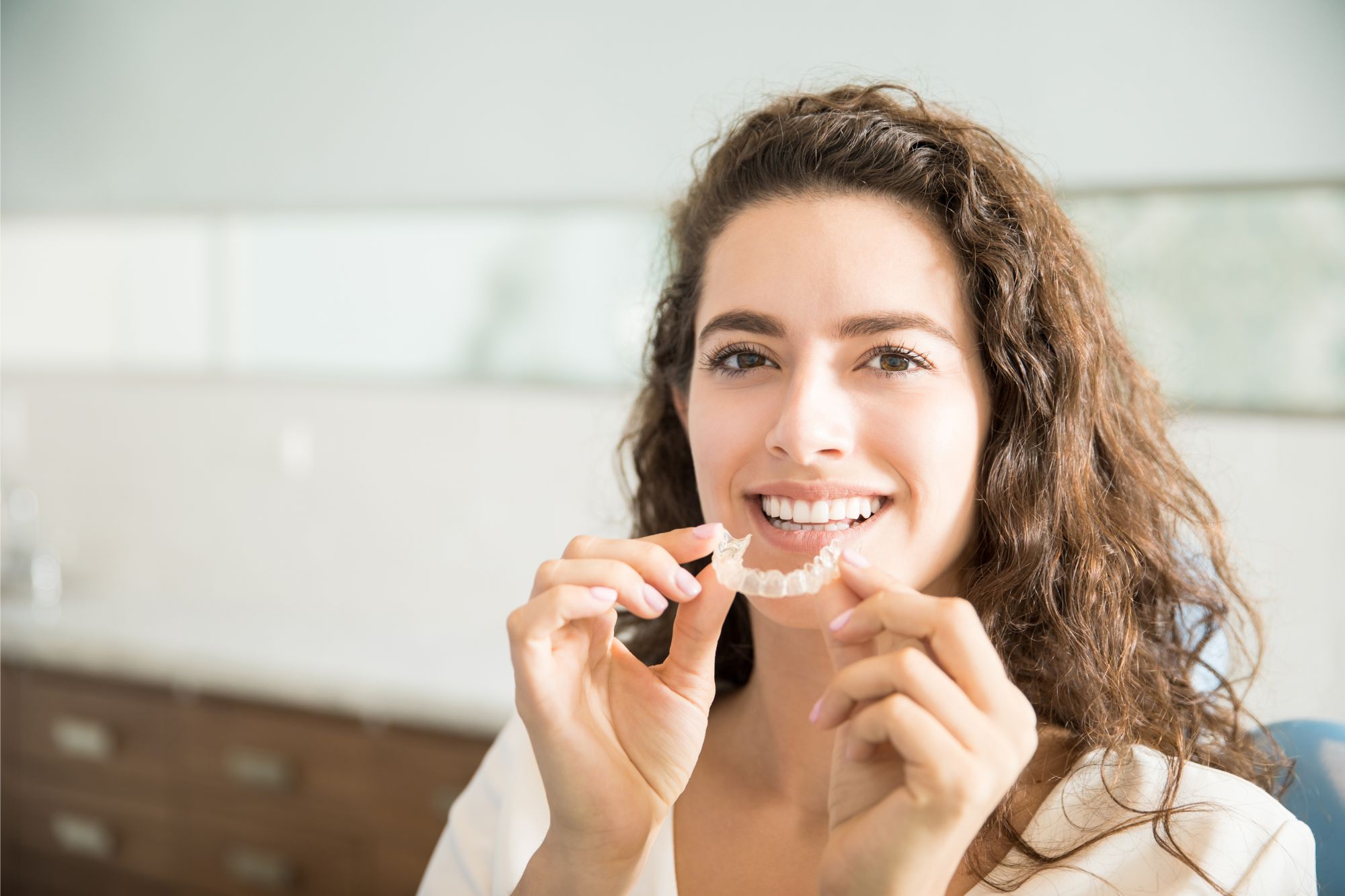
For similar cases, traditional braces and clear aligners finish in comparable time, usually 18 to 24 months. Aligners can edge ahead on mild-to-moderate cases when a teen wears them 20 to 22 hours a day. Braces tend to be the more predictable choice for complex bites, rotations, or teens who might forget to wear aligners.
Here’s a side-by-side look:
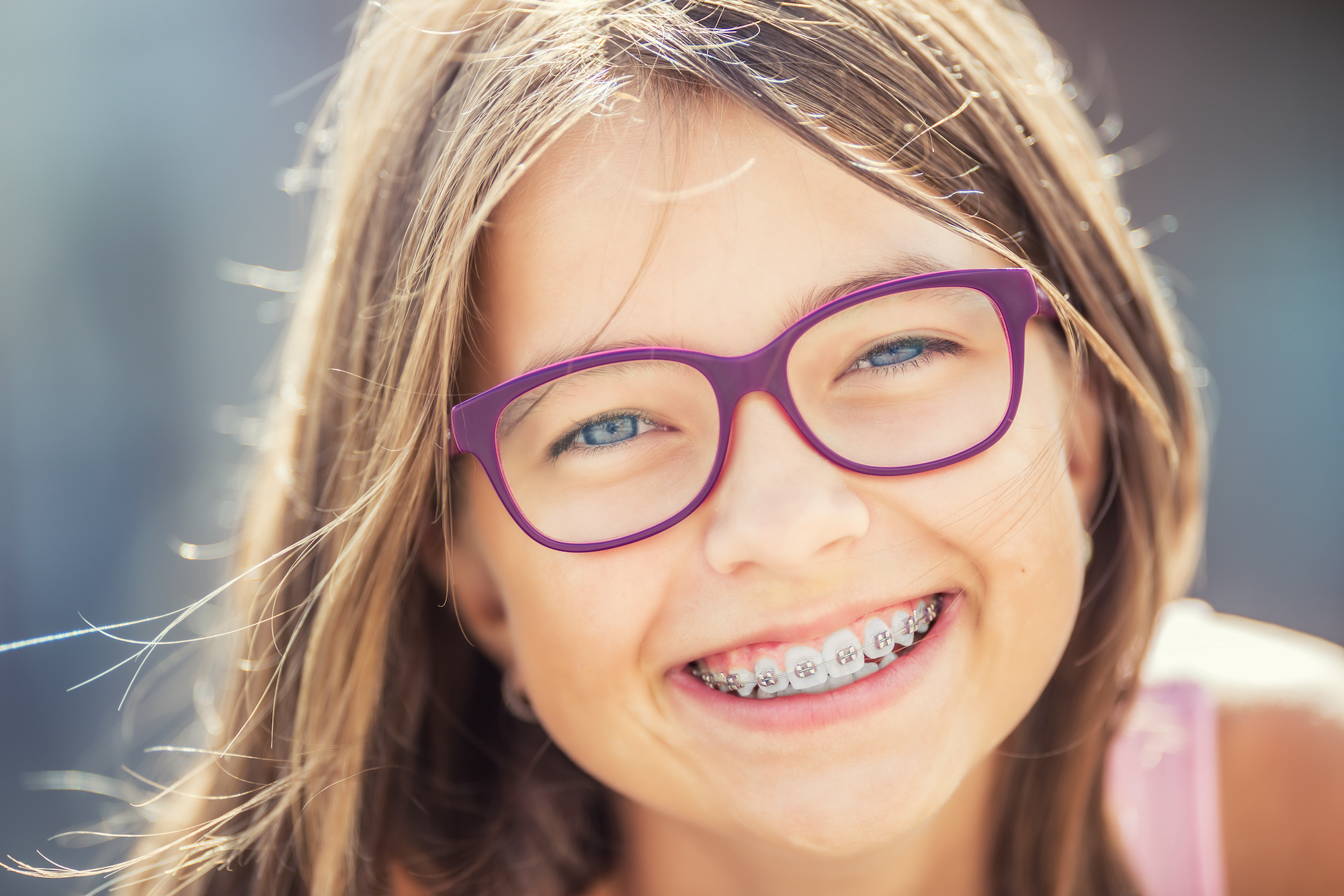
Both traditional braces and clear aligners straighten teeth effectively for teens. Braces work around the clock, so they’re a strong choice for teens who might forget to put aligners back in. Modern metal braces are lighter and more comfortable than older versions, and clear brackets offer a lower-profile look that many teens appreciate.
Clear aligners give teens more freedom but demand serious commitment. If your teen skips wear time, treatment slows down or stalls. When compliance is strong, aligners can be just as fast, and sometimes faster, than braces for the right cases.
Skip the aligners you get in the mail. Those skip the diagnostic imaging and in-person oversight that make treatment safe and effective. A trained orthodontist like Dr. Babaan checks progress at every visit and adjusts the plan when needed.
Factors That Speed Up or Slow Down Teen Treatment
Several factors influence how quickly teen braces treatment moves. Case complexity is the biggest driver, but daily habits, appointment consistency, and growth patterns all play major roles. Understanding these variables helps your family stay on track and avoid delays that add months to the timeline.
Here’s what speeds treatment up:
- Following instructions for elastics and aligner wear exactly as Dr. Babaan prescribes
- Keeping all scheduled adjustment visits every 4 to 8 weeks
- Excellent oral hygiene to prevent cavities and gum irritation that can pause progress
- Avoiding hard, sticky, and chewy foods that break brackets or bend wires
- Starting promptly after the consultation so the wait between planning and starting your treatment stays short
- Favorable jaw growth during peak developmental years
Here’s what tends to slow things down:
- Missed or rescheduled appointments that break the rhythm of adjustments
- Broken brackets or bent wires from tough foods or sports impacts
- Inconsistent elastic wear which is one of the most common reasons treatment stalls
- Poor oral hygiene leading to inflammation or decay around brackets
- Not wearing aligners the full 20-22 hours daily for aligner patients
- Delayed responses to growth issues that require additional appliances
Small habits add up quickly over 18 to 24 months. Wearing elastics for a few hours less each day, or skipping one appointment every couple of months, can push a 20-month plan into 24 months or longer.
The good news? Most delays are preventable. Dr. Babaan and the team at Pasadena Orthodontics coach your teen at every visit so they know exactly what to do between appointments. A welcoming and stress-free experience makes it easier for teens to stay engaged and finish on time.
Is Your Teen a Good Candidate for Braces?
Most teens ages 11 to 14 are good candidates for braces because their permanent teeth have erupted and their jaws are still growing. Common reasons to start treatment include crowding, gaps, overbites, underbites, and crossbites. Willingness to follow care instructions is just as important as the clinical fit.
Signs your teen may benefit from an evaluation:
- Crowded, crooked, or overlapping teeth
- Noticeable gaps or spacing
- Upper and lower teeth that don’t meet properly when biting
- Jaw clicking, popping, or discomfort
- Difficulty cleaning between teeth
- Self-consciousness about their smile
Every teen is different, and only a trained orthodontist can determine the right approach. Dr. Babaan or Dr. Sara Zadmehr, DDS, will review your teen’s records, discuss options, and recommend the best path forward during a free consultation.
If getting to our office is tricky between school and activities, a virtual consultation may be an option. Send in a few photos, and Dr. Babaan will review them and share initial thoughts, no waiting room required.
Frequently Asked Questions About Teen Braces Timelines
How long do teenagers typically wear braces?
Most teenagers wear braces for 18 to 24 months, though the range spans 12 to 36 months depending on case complexity. Simple alignment cases can finish in under a year, while complex bite corrections may take closer to three years. Dr. Babaan provides a personalized timeline estimate at your free consultation.
Can braces be finished faster than expected?
Yes, in some cases. Strong compliance with elastics, excellent oral hygiene, keeping all appointments, and avoiding broken brackets can all help treatment finish on schedule or slightly ahead. That said, quality results take time, and rushing final detailing can compromise the bite and long-term stability.
Does wearing rubber bands speed up treatment?
Wearing rubber bands (elastics) exactly as prescribed is one of the most important things your teen can do to stay on schedule. Elastics correct the bite by shifting the jaw relationship, and inconsistent wear is a top reason treatment gets extended. When worn properly, they keep treatment moving as planned.
What is the best age for a teen to start braces?
The best age is typically between 11 and 14, once most permanent teeth have erupted and the jaw is still growing. This window lets Dr. Babaan use natural growth to help guide bite correction, often shortening the overall timeline. The American Association of Orthodontists recommends a first evaluation by age 7 to identify the ideal start time.
Do clear aligners work as fast as braces for teens?
For mild-to-moderate cases, clear aligners can work just as fast as traditional braces, sometimes faster. But results depend on your teen wearing them 20 to 22 hours every day. If compliance is strong, timelines are comparable. For complex bite or rotation cases, traditional braces often remain the more predictable choice.
How long does the retainer phase last?
Retainers are a lifelong commitment, though wear time decreases over the years. In the first months after braces come off, most teens wear retainers full-time except when eating. After that, wear typically shifts to nighttime only. Consistent retainer use is what protects the results for decades to come.
Curious how long your teen’s treatment might take? A free consultation with Dr. Babaan or Dr. Zadmehr is a good place to start. During that visit, you’ll get a personalized timeline, a look at the options that fit your teen’s case, and honest answers to your family’s questions. Dr. Rozheh Babaan and Dr. Sara Zadmehr bring years of specialized training to every case, and the whole team is focused on making treatment straightforward from the first visit to the last. A new smile can change your life, and we’re ready when you are.