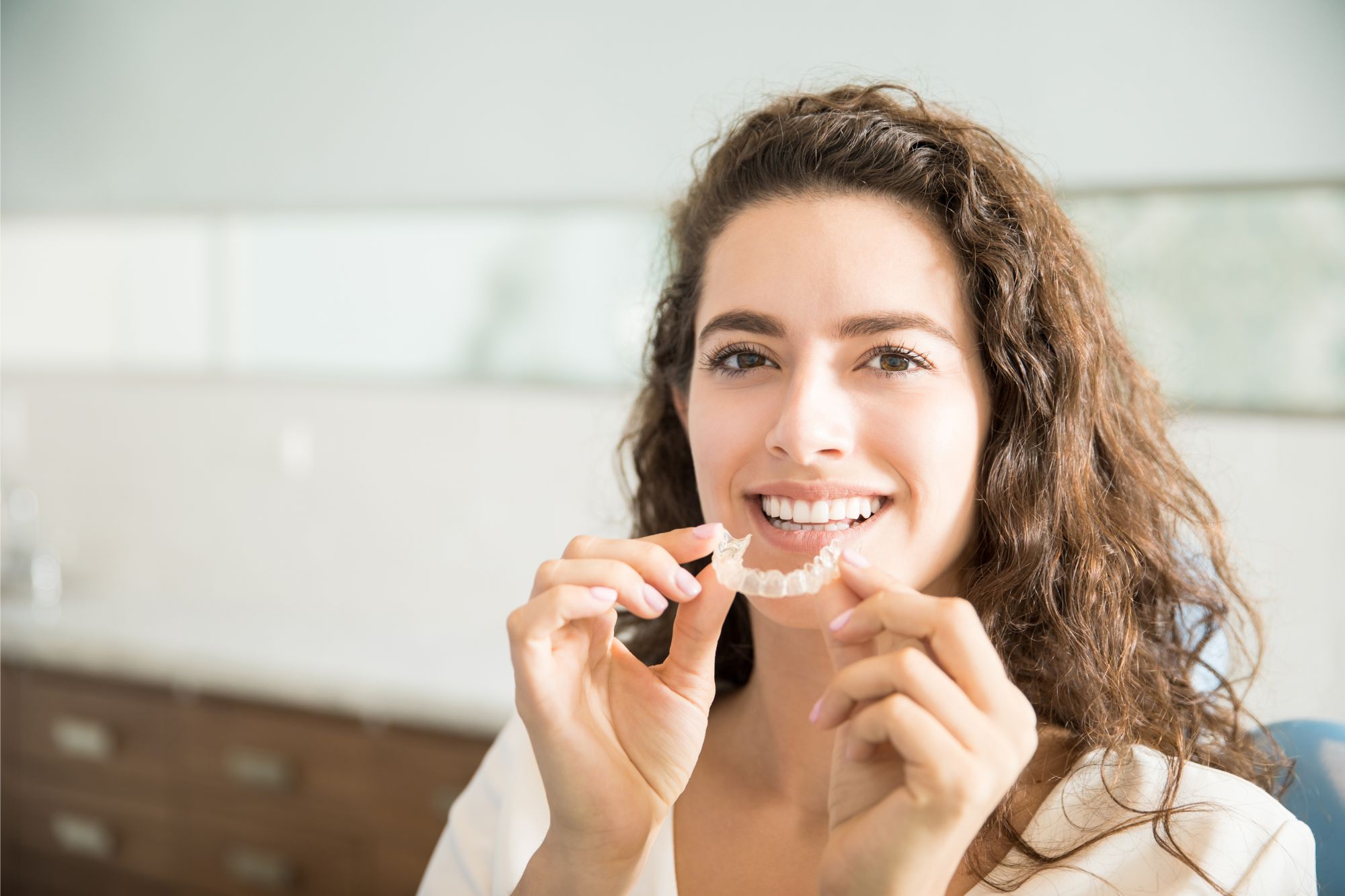
Thinking about straightening your smile as an adult? You’re in good company. More adults than ever are choosing clear aligners to fix issues they’ve lived with for years, and Invisalign for adults has become one of the most trusted options for getting there discreetly.
Before you start, it helps to know exactly what you’re signing up for. This guide walks you through how Invisalign works, how it compares to other options and whether you’re likely a good fit.
What Is Invisalign for Adults?
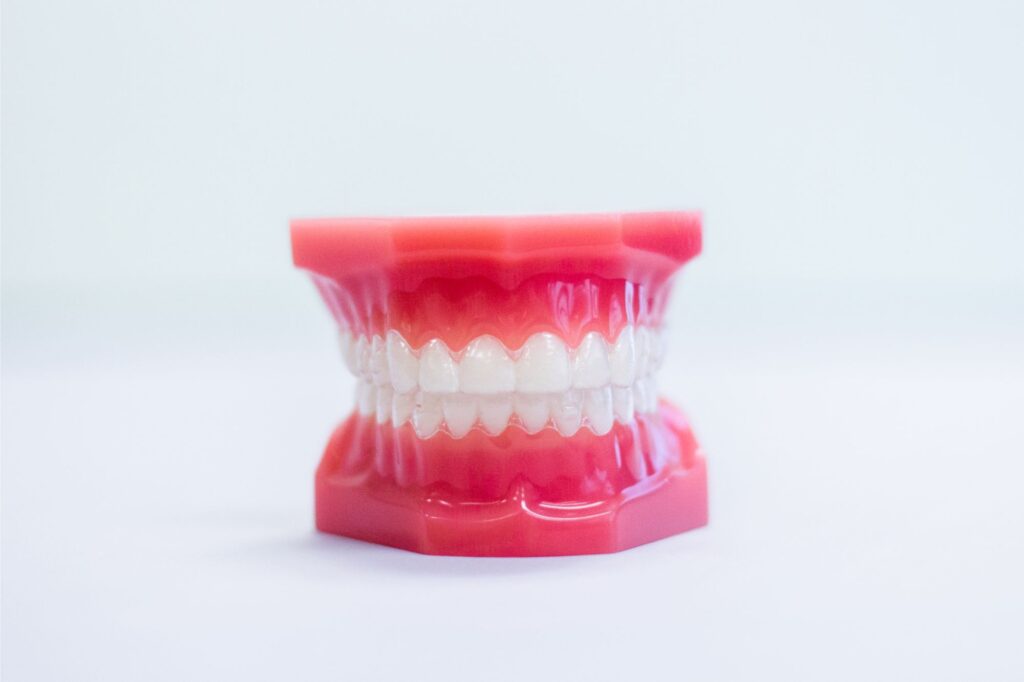
Invisalign is a system of clear, custom-made plastic aligners that gradually shift your teeth into their ideal position. Instead of metal brackets and wires, you wear a series of smooth, nearly invisible trays that slide over your teeth and are swapped out every one to two weeks as your smile moves.
For working adults, the appeal is straightforward. The aligners are discreet enough for meetings, presentations and social events, and you can take them out to eat, drink coffee, brush and floss like normal. That flexibility is a big reason Invisalign has become so popular with professionals in their 20s, 30s, 40s and beyond.
Invisalign is FDA-cleared and has been used by millions of patients worldwide. It’s a proven option for treating mild to moderate crowding, spacing gaps, overbite, underbite and crossbite. At Pasadena Orthodontics, Dr. Babaan and the team use Invisalign as one of the primary clear aligner options for adults who want effective results without the look of traditional braces.
How Invisalign Treatment Works Step by Step
Here’s what the Invisalign process looks like from your first visit through your final aligner. It’s more structured than most people expect, and every step is designed to keep your treatment on track.
- Free consultation and digital scan. Your first visit includes a full exam and an iTero 3D digital scan that maps your teeth in minutes. No goopy impressions required.
- Custom treatment plan. Dr. Babaan uses ClinCheck software to design the exact movements your teeth need to make. You’ll get to preview a digital simulation of your projected results before you commit.
- Your aligners arrive. Most adult cases use somewhere between 18 and 30 aligners, worn one to two weeks each. You’ll get several sets at a time so you can switch them out at home.
- Attachments and IPR if needed. Small tooth-colored attachments may be bonded to certain teeth to help the aligners grip and move them precisely. In some cases, a small amount of interproximal reduction (IPR) creates space between teeth for proper alignment.
- Check-ins every 6 to 8 weeks. Quick progress visits let Dr. Babaan confirm your teeth are tracking correctly and hand off your next sets of aligners.
- Retainers to protect your results. Once your active treatment wraps up, you’ll wear retainers to keep your new smile in place. Teeth naturally want to shift back, so retainers are a lifetime commitment (but a small one).
Dr. Rozheh Babaan, DDS, MSD is a trained orthodontist who oversees every step of your Invisalign treatment. That kind of in-person supervision matters, especially when adult teeth are involved.
Benefits of Invisalign for Adults
Why do so many adults choose Invisalign over traditional braces? The advantages go well beyond looks.
- Nearly invisible appearance. The aligners are made of clear plastic and fit snugly over your teeth. Most people won’t notice you’re wearing them, which makes Invisalign a natural fit for professional settings, weddings, dating and social photos.
- Removable for meals and important moments. No dietary restrictions. You can still eat popcorn, crunchy apples and steak. Take your aligners out for a work lunch or a big presentation and pop them back in when you’re done.
- Easier oral hygiene. Brushing and flossing stay simple because there’s no hardware in the way. Better hygiene during treatment means healthier teeth and gums when you finish.
- Fewer emergency visits. Traditional braces come with the occasional broken bracket or poking wire. With Invisalign, there’s nothing to break, so unexpected trips to the office are rare.
- More comfortable to wear. Smooth plastic feels much gentler on your cheeks and lips than metal brackets. You’ll feel pressure when you switch to a new aligner (that’s how they work), but most patients adjust quickly.
- You can preview your results. Before you even start, the digital treatment plan shows you what your smile will look like at the end. It’s a preview of the smile of your dreams before you commit.
- Predictable timeline. Because every aligner is planned in advance, you and Dr. Babaan know roughly how long your treatment will take from day one.
For busy adults juggling careers, family and social commitments, these benefits add up to a treatment that fits into real life instead of interrupting it.
Invisalign vs. Traditional Braces vs. Mail-Order Aligners
Not all teeth-straightening options are the same. Here’s how the three main choices stack up for adults.
| Feature | Invisalign | Traditional Braces | Mail-Order Aligners |
|---|---|---|---|
| Appearance | Nearly invisible | Visible metal or clear brackets | Nearly invisible |
| Removable | Yes | No | Yes |
| In-person supervision | Yes, every 6 to 8 weeks | Yes, every 4 to 8 weeks | No |
| Best for | Mild to moderate cases | Complex bite and alignment issues | Very minor cosmetic shifts |
| Typical timeline | 9 to 24 months | 12 to 24+ months | 4 to 6 months (limited scope) |
| Emergency visits | Rare | Occasional | No provider to visit |
The biggest difference is supervision. With Invisalign or traditional braces, a trained orthodontist examines your teeth, jaw and bite in person before and during treatment. That matters even more if you have existing crowns, veneers, implants or bite issues that need careful planning.
Aligners you get in the mail skip that step entirely. Without an exam, X-rays or ongoing oversight, small issues can turn into bigger ones, and orthodontists regularly see adults who tried mail-order aligners and needed corrective treatment afterward.
Are You a Good Candidate for Invisalign as an Adult?
Most adults with healthy teeth and gums are candidates for Invisalign, but a few factors determine whether it’s the best option for your situation. Here’s a quick checklist:
- You have mild to moderate alignment issues. Crowding, spacing, overbite, underbite and crossbite are all treatable with Invisalign.
- Your teeth and gums are healthy. Any active gum disease or untreated cavities should be handled before starting.
- You can commit to 20 to 22 hours of daily wear. Aligners only work when they’re in your mouth. This is the #1 factor in successful adult treatment.
- You’re prepared to wear a retainer afterward. Long-term results depend on retainer wear.
- You have existing restorations. Crowns, veneers, bridges or implants don’t disqualify you, but they need to be factored into the plan.
- You have severe skeletal or bite issues. Very complex cases may need traditional braces, jaw surgery or a combination approach.
The only way to know for sure is a proper evaluation. At Pasadena Orthodontics, your free consultation with Dr. Babaan or Dr. Zadmehr includes a full exam, a digital scan and an honest recommendation, even if Invisalign turns out not to be the best fit.
Frequently Asked Questions About Adult Invisalign
What is the 30-minute rule for Invisalign?
The 30-minute rule is a guideline that says you should try to keep your aligners out for no more than 30 minutes at a time during meals. Since you need to wear them 20 to 22 hours a day, longer breaks can slow your progress or cause teeth to shift back. Take them out, eat, brush or rinse and get them back in as quickly as you reasonably can.
Is the first week of Invisalign the hardest?
For most patients, yes. The first week is when your mouth adjusts to having aligners in constantly, and each new tray brings a day or two of pressure as your teeth start to move. You may notice a slight lisp at first, mild soreness and extra saliva. By the end of week one, most of that fades and it becomes second nature.
How long does adult Invisalign take on average?
Most adult Invisalign treatments take somewhere between 9 and 24 months. Simpler cases land toward the shorter end and complex cases toward the longer end. Your specific timeline depends on how much your teeth need to move and how consistently you wear your aligners.
Will Invisalign affect my speech at work?
You may notice a slight lisp for the first few days as your tongue adjusts to the aligners. Most adults adapt within a week and speak normally, including on phone calls, video meetings and presentations. Practicing reading out loud at home can help you get comfortable faster.
Do I have to wear a retainer forever after treatment?
Yes, but wear requirements decrease over time. Most patients wear retainers full-time for a few months after treatment, then transition to nights only for the long term. Teeth naturally want to shift as you age, so nightly retainer wear is what keeps your new smile in place.
Ready to See If Invisalign Is Right for You?
A new smile can change your life, and it’s never too late to start. Dr. Babaan, Dr. Zadmehr and the team at Pasadena Orthodontics have helped adults all over the Pasadena area straighten their smiles with confidence.
Your free consultation includes a full exam, a 3D digital scan and a personalized treatment plan, with no pressure to commit. If you’re ready to take the next step toward the smile you’ve been thinking about, we’d love to meet you.
Schedule your free consultation with Dr. Babaan or Dr. Zadmehr today.